Guide · Germany · Occupational health

Occupational health checks in Germany: mandatory or offered, and how often.

The ArbMedVV obliges German employers to arrange or offer occupational health checks for certain activities - noise, hazardous substances, wet work, screen work and more. The first takes place before the activity starts, the second normally within 12 months, then at most every 36 months. Here is how it works and what to track.

Start Free Trial
No credit card required · Setup in minutes
Before theactivityCURRENT2nd within 12monthsCURRENTThen max. 36monthsDUE SOONRecord keptCURRENT

Last updated · ExpiryEdge editorial team

Quick answer

Under the German ArbMedVV, employers must arrange mandatory health checks (Pflichtvorsorge) and offer others (Angebotsvorsorge) for listed activities, before the activity starts and then regularly. Under AMR 2.1, the first takes place within 3 months before starting, the second normally within 12 months, then at most every 36 months. Employers keep a record of when and why each took place.

The rules at a glance

Occupational health checks under the ArbMedVV

The three types, the intervals and the employer's record-keeping duty.

Occupational health checks under the ArbMedVV
TopicRuleBasis
Mandatory check (Pflichtvorsorge)Employer must arrange it before the activity and regularly; employee may only do the activity after attending§ 4 ArbMedVV
Offered check (Angebotsvorsorge)Must be offered before the activity and regularly; a refusal does not end the duty to keep offering§ 5 ArbMedVV
Check on request (Wunschvorsorge)Must be made possible on the employee's request where harm cannot be ruled out§ 2 (4) ArbMedVV
First checkWithin 3 months before the activity startsAMR 2.1
Second checkNormally within 12 months (6 months for sensitising substances and wet work)AMR 2.1
Further checksAt most every 36 months; physician may shorten, not extendAMR 2.1
Health check record (Vorsorgekartei)That, when and for which reason a check took place - no medical findings; kept until employment ends§ 3 (4) ArbMedVV
FinesNot arranging mandatory or not offering offered checks, or no record: up to €5,000§ 10 ArbMedVV with § 25 ArbSchG
Which activities trigger which type is listed in the annex to the ArbMedVV and follows from your risk assessment. Screen work, for example, triggers an offered check including the eyes. Summary as of October 2026, not legal or medical advice.
Common questions, answered

What employers ask about occupational health checks

Mandatory or voluntary?

Both exist. For mandatory checks the employer must arrange the appointment and the employee may only do the activity after attending. Offered checks must be offered; the employee can decline, but the employer has to keep offering at the intervals. Physical examinations are never carried out against the employee's will.

Is the G 25 examination mandatory?

Not under the ArbMedVV. G 25 (driving, steering and monitoring tasks) is a DGUV recommendation about fitness for work, not a statutory health check, and is not legally binding. It becomes binding only through an employment contract, a works agreement or a special legal provision. If your company has agreed G 25, its repeat dates still need tracking.

Who carries out the checks, and who pays?

A physician entitled to use the title occupational medicine or company medicine (§ 7 ArbMedVV), preferably the appointed company doctor. The employer pays: costs of occupational safety measures may not be passed on to employees (§ 3 (3) ArbSchG). Checks should take place during working time.

What does the employer get to see?

A certificate that, when and for which reason a check took place, and when the next check is indicated from a medical point of view (§ 6 (3) ArbMedVV). Findings and diagnoses stay with the doctor. Those dates are what the employer must track.

Track the next date from the certificate - not the diagnosis. The record must never contain medical findings.

Example

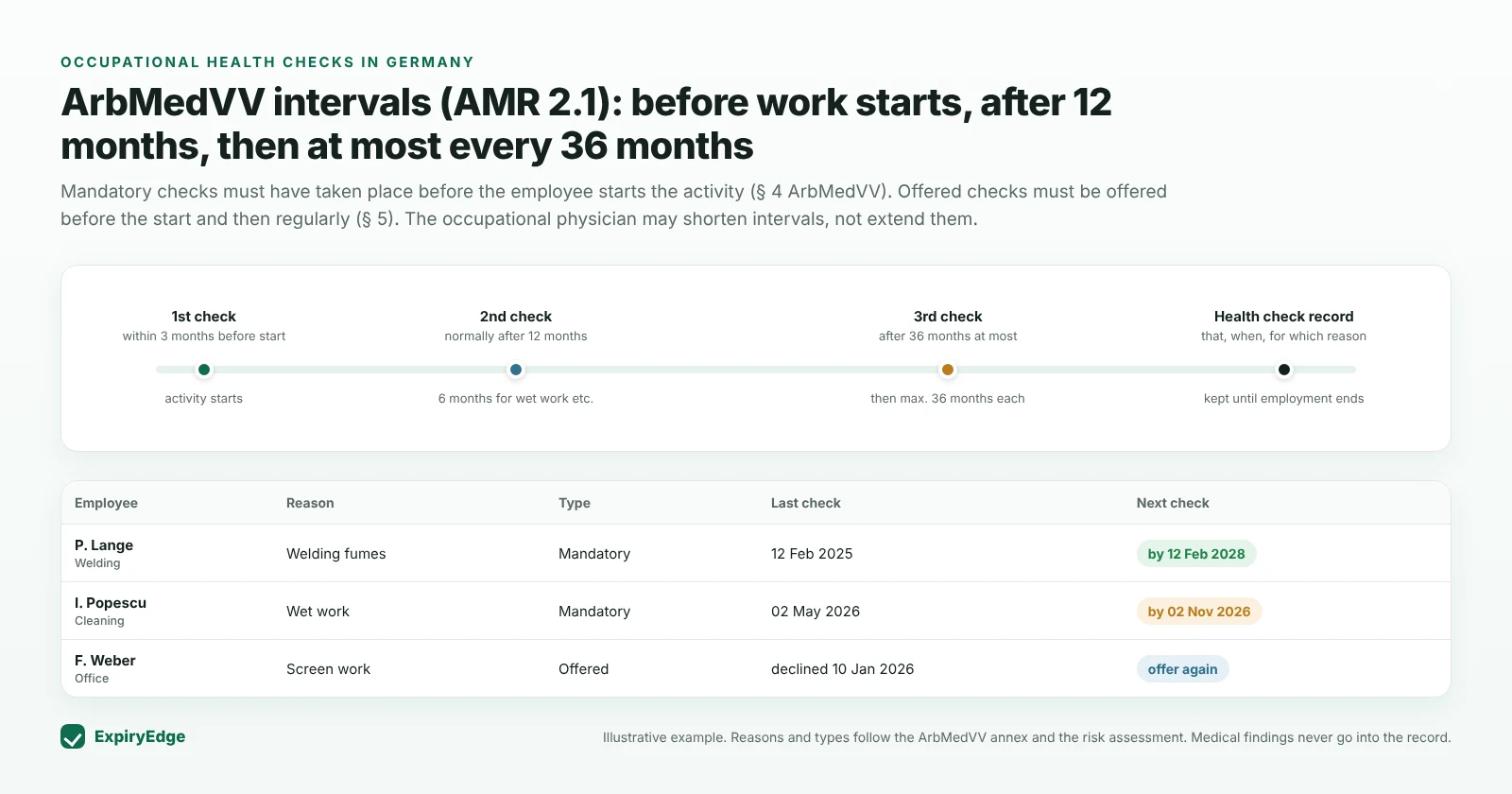
Intervals and the health check record

The AMR 2.1 sequence and a record per employee with reason, type and next date.

Timeline of occupational health check intervals - first within 3 months before starting, second normally after 12 months, then at most every 36 months - and a record of employees with reason, type, last and next check
Illustrative example. Reasons and types follow the ArbMedVV annex and your risk assessment.
How it works

How to organise occupational health checks

1
Derive the reasons from the risk assessment

Match each activity against the ArbMedVV annex: mandatory, offered or on request.

2
Appoint the company doctor

Commission a physician with the occupational or company medicine qualification and share the risk assessment results.

3
Arrange or offer the first check before work starts

Mandatory checks must have taken place before the activity; offered checks must be offered in writing in good time.

4
Record the certificate and the next date

Keep the record of that, when and why - and the next date the doctor indicates. Never store findings.

5
Re-offer and re-arrange on time

Remind ahead of each next date, and keep offering offered checks even after a refusal.

Tracking it in ExpiryEdge

Every reason, every next date, no medical data

A record per employee and reason
Next dates that come round on time

Hold each reason - noise, wet work, screen work, respiratory protection - as a record per employee with the type, the last check and the next date from the certificate. HR and the employee are reminded ahead of time, and overdue mandatory checks escalate before the employee continues the activity.

Recurring dates per reason

Reminders by email, SMS, WhatsApp or Teams

Overdue mandatory checks flagged

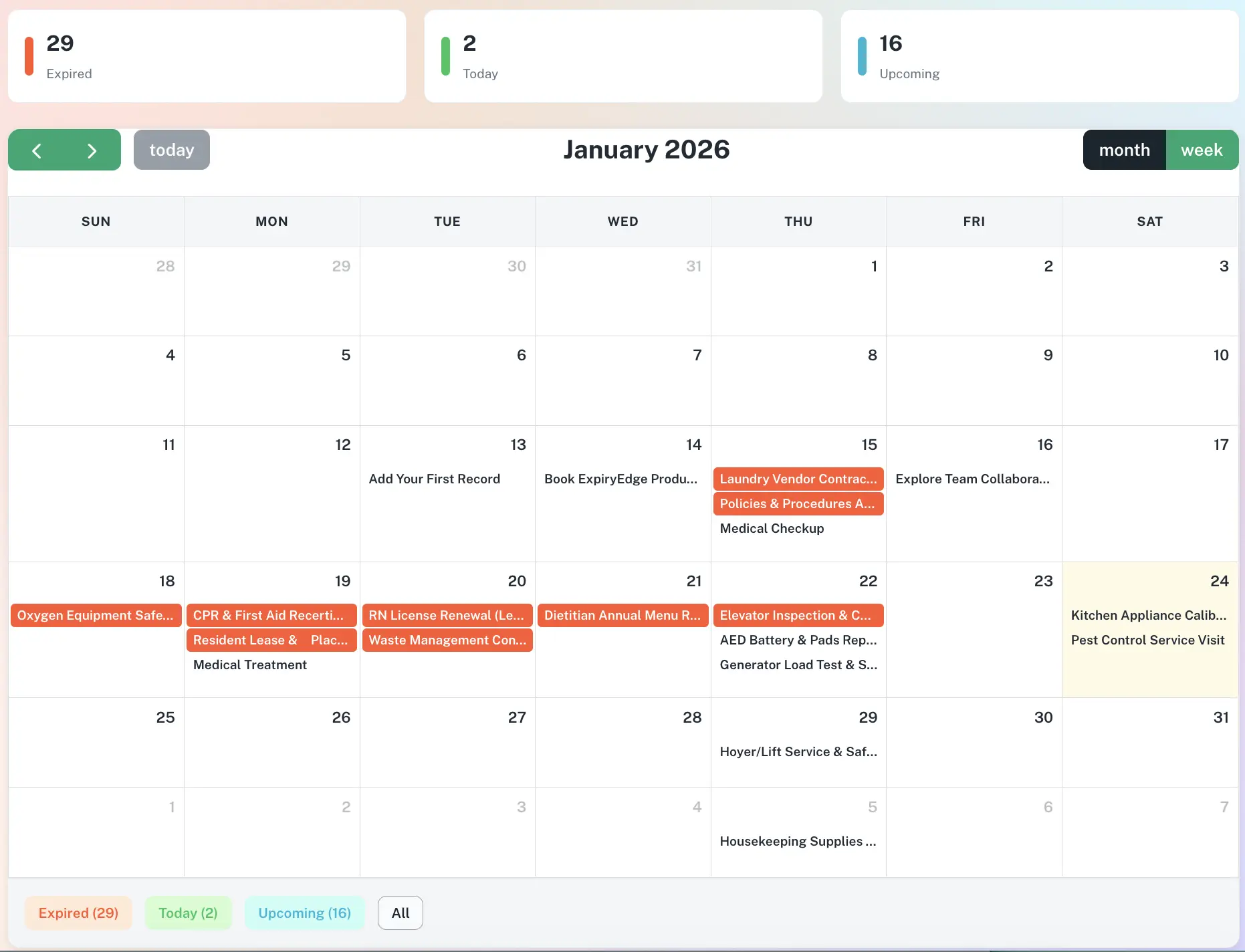
ExpiryEdge calendar view with upcoming occupational health check dates
Offers and certificates on file
Proof of every offer and every appointment

Send the written offer for an offered check as a request the employee confirms or declines with an e-signature, and collect the attendance certificate by upload link. Access is restricted by role, and the record holds only dates and reasons, never findings.

Offer and response with e-signature

Certificate upload without an account

Role-based access to the record

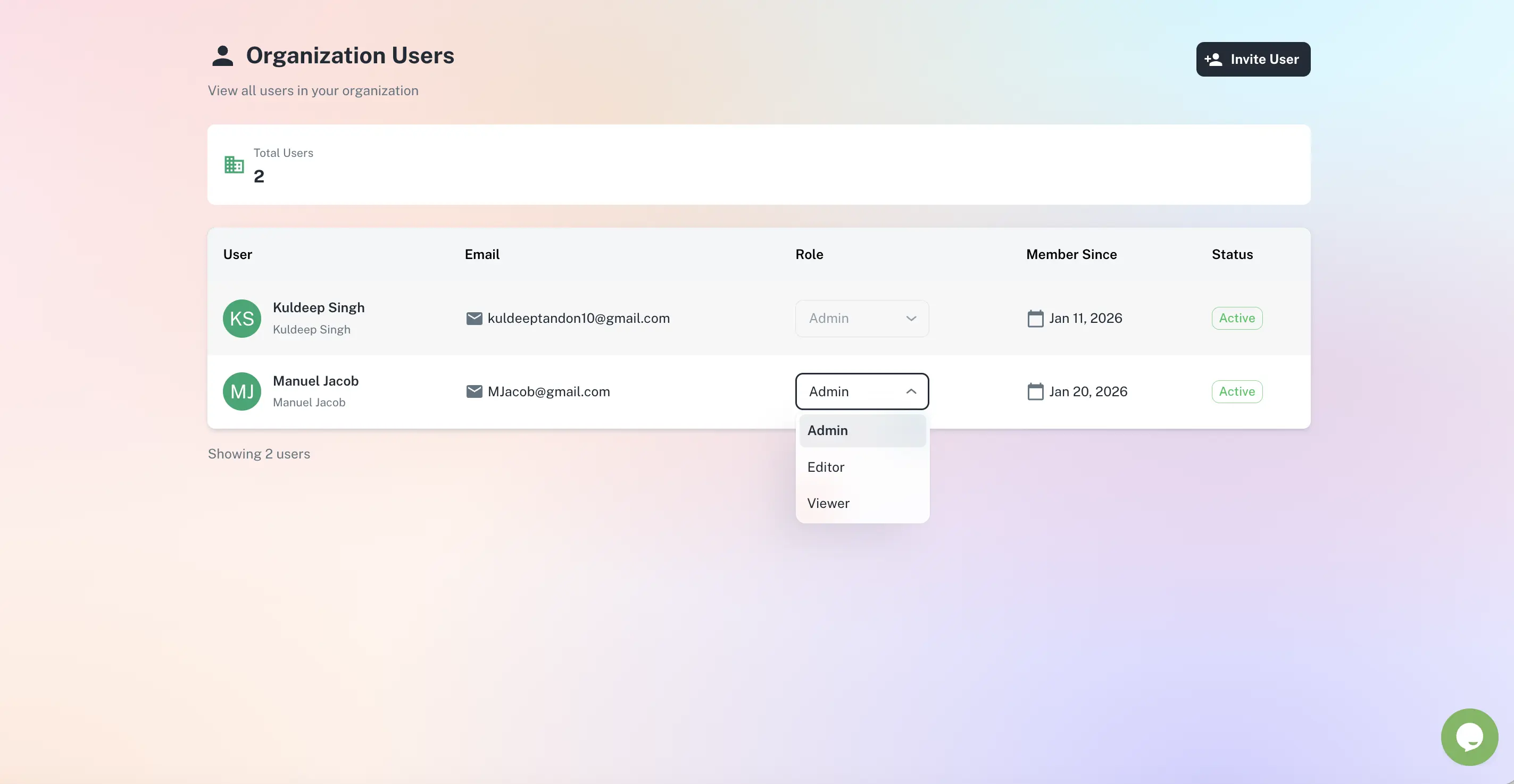
ExpiryEdge user management with role-based access
Frequently asked questions

Under AMR 2.1: the first within 3 months before the activity starts, the second normally within 12 months (6 months for sensitising substances and wet work), then at most every 36 months. The company doctor may set shorter intervals but not longer ones.

Mandatory checks (Pflichtvorsorge) must be arranged by the employer and attended before the activity. Offered checks (Angebotsvorsorge) must be offered; the employee may decline. In both cases examinations are not carried out against the employee's will.

No. G 25 is a DGUV recommendation on fitness for driving, steering and monitoring tasks and is not part of the statutory ArbMedVV checks. It becomes binding only through a contract, a works agreement or a special legal rule.

A health check record (Vorsorgekartei) stating that, when and for which reason each check took place, kept until employment ends; on leaving, the employee gets a copy of their entries (§ 3 (4) ArbMedVV). Medical findings do not belong in it.

The employer. Costs of occupational safety measures may not be passed on to employees (§ 3 (3) ArbSchG), and checks should take place during working time.

Yes, as an offered check (Angebotsvorsorge) under the ArbMedVV annex, including an appropriate examination of the eyes and vision.

Hold one record per employee and reason with the type and the next date from the certificate, and remind HR and the employee ahead of time. ExpiryEdge does this without storing medical data and flags overdue mandatory checks.

Every health check date on time, no medical data stored

Import employees and reasons, set reminders, collect certificates by link. Free 14-day trial, no credit card.