How Supplier Compliance Tracking Works for Procurement Teams

How Supplier Compliance Tracking Works for Procurement Teams

Supplier compliance tracking continuously monitors supplier activities and obligations using automated systems that provide real-time alerts. This approach replaces manual checks, improves data accuracy, and embeds compliance information into procurement workflows, reducing risks of lapses. Effective programs rely on dynamic alerts, clear ownership, and integrated risk assessments to prevent operational failures.
Supplier compliance tracking is the ongoing process of monitoring supplier activities, certifications, and obligations to ensure they meet regulatory, contractual, and operational standards in real time. The industry term for this practice is supplier compliance management, and it covers everything from certificate expiration dates to corrective action plans. Compliance officers and procurement managers who rely on manual checks face a growing gap between what they know about their suppliers and what is actually happening. Understanding how supplier compliance tracking works is the first step toward closing that gap before it becomes a regulatory or operational failure.
How supplier compliance tracking works: from manual checks to real-time monitoring
Supplier compliance tracking is defined as a continuous cycle of data collection, validation, and action. It replaces the traditional model of periodic audits and spreadsheet reviews with automated, always-on oversight. The shift matters because a supplier’s certification can lapse on a Tuesday, and a quarterly review will not catch it until the damage is done.
Manual and spreadsheet-based tracking share three critical weaknesses:
- No real-time visibility. A spreadsheet updated last month tells you nothing about a supplier who dropped their ISO 9001 certification last week.
- No automatic escalation. When a deadline passes, nothing happens unless a person notices and acts.
- No audit trail. Spreadsheets rarely capture who reviewed what, when, and what action followed.
Automated supplier compliance systems provide real-time dashboards and proactive alerts that replace manual periodic checks, preventing surprises during audits. That means your team sees a lapsed certification the moment it happens, not three months later during a scheduled review.
Automated tracking systems deliver four core capabilities: centralized supplier profiles, document expiration alerts, compliance status dashboards, and workflow-driven task assignments. Each capability feeds the next. A document expiration triggers an alert, the alert creates a task, the task is assigned to an owner, and the dashboard reflects the updated status. The entire cycle runs without manual intervention.

Pro Tip: Set document expiration alerts to fire at 90, 60, and 30 days before the deadline. A single reminder is easy to miss. Three staged reminders create accountability at each level of the organization.
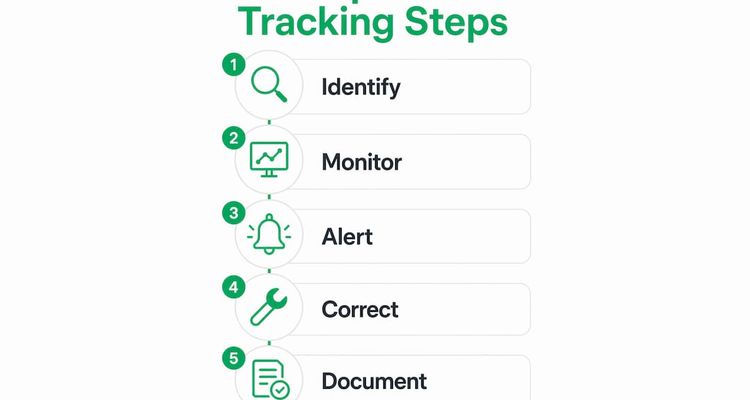
Automated tools enhance supplier compliance tracking by improving data accuracy, reducing manual workload, and enabling efficient performance tracking. Compared to manual methods, automation delivers visible and more reliable compliance oversight across a supplier base of any size.
What makes a proactive supplier compliance program effective?
A proactive supplier compliance program is built on four pillars: continuous monitoring, structured risk assessment, clear ownership, and documented remediation. Each pillar addresses a specific failure mode that reactive programs leave exposed.
- Continuous regulatory and certification monitoring. Tracking supplier performance means watching for changes in real time, not just at contract renewal. Monitoring beyond enacted regulations to include regulatory pipelines enables sourcing adjustments before risks materialize. A supplier operating in a sector facing new environmental regulations needs to be flagged before those regulations take effect, not after.
- Structured risk segmentation. Not every supplier carries the same risk. Tier-one suppliers with direct material impact on your product warrant monthly compliance reviews. Tier-three service vendors may need only annual checks. Proactive compliance programs include continuous monitoring, risk segmentation of suppliers, and Corrective Action Plan (CAPA) management to document findings and track remediation. Segmenting your supplier base by risk level focuses your team’s attention where it matters most.
- Assigned ownership for every compliance obligation. A compliance task without an owner is a compliance task that will not get done. Effective programs assign a named individual to each obligation, with a deadline and an escalation path if the deadline is missed. This structure converts compliance from a shared responsibility into an individual accountability.
- CAPA tracking from finding to closure. Compliance tracking systems must manage the entire lifecycle of findings including CAPA tracking with deadlines, progress milestones, and final verification for full audit proofing. Audit risks remain if remediation plans are not documented and tracked to closure. A finding that is identified but never resolved is worse than a finding that was never discovered, because it creates documented evidence of negligence.
Pro Tip: Build your CAPA workflow so that no finding can be marked “closed” without a verification step. Require a second reviewer to confirm the corrective action was actually implemented before the record closes.
How do proactive alert systems prevent alert fatigue?
Alert fatigue is the single biggest reason compliance programs fail quietly. Teams receive too many notifications, start ignoring them, and miss the one alert that actually mattered. The solution is not fewer alerts. It is smarter alerts.
Static alert limits generate noise that teams ignore. Dynamic systems focus attention on genuine anomalies requiring action. The difference is context. A static system fires an alert every time a document is within 30 days of expiration, regardless of whether the renewal is already in progress. A dynamic system suppresses that alert if a renewal task is already assigned and on track.
How proactive alert systems work in practice involves three mechanisms:
- Dynamic thresholds. Alert timing adjusts based on the supplier’s risk tier, the document type, and the current status of any open tasks. A high-risk supplier’s insurance certificate triggers alerts earlier and more frequently than a low-risk vendor’s.
- Smart escalation logic. If a task owner does not act within a defined window, the alert escalates automatically to their manager. Smart escalation logic and anti-spam deduplication in alerting systems limit notifications to high-value insights, avoiding alert fatigue and wasted effort.
- Context-based suppression. Alerts are suppressed when the triggering condition is already being addressed. This keeps inboxes clear and ensures that every notification a team member receives actually requires their attention.
The result is a system where compliance officers act on alerts instead of deleting them. Teams aligned on high-value compliance tasks move faster and make fewer errors than teams buried in notification noise.
Integrating compliance data with procurement and operational workflows
Compliance data has no operational value if it lives in a separate system that procurement teams never consult. The most effective supplier compliance programs embed compliance status directly into the workflows where sourcing and contracting decisions are made.
Integrating compliance information directly into supplier profiles and contract renewal cycles ensures compliance status influences procurement decisions continuously. Treating compliance as a static document exercise is ineffective. When a supplier’s compliance status is visible inside the contract renewal workflow, a procurement manager sees a red flag before signing a renewal, not after.
The table below shows how compliance data integration changes outcomes across four key procurement activities.
| Procurement activity | Without compliance integration | With compliance integration |
|---|---|---|
| Contract renewal | Renewal signed before checking certification status | Compliance status reviewed as a required renewal step |
| Supplier onboarding | Documents collected once, rarely revisited | Documents tracked continuously with expiration alerts |
| Sourcing decisions | Risk data consulted separately, often outdated | Real-time compliance score visible in supplier profile |
| Audit preparation | Manual document collection under time pressure | Evidence repository pre-populated and current |
Real-time evidence management linking regulatory changes to internal controls and audit records is critical to demonstrate compliance beyond mere document collections. Evidence repositories must capture who approved actions, when, and what supporting artifacts were attached. An auditor who asks for proof of a corrective action should receive a timestamped record, not a verbal explanation.
Proactive compliance tracking acts as an internal nervous system connecting regulations with business units and automating evidence capture, reducing rework. That description is accurate because the system does not wait for a human to connect the dots. It routes information automatically to the people and workflows that need it.
Key Takeaways
Effective supplier compliance tracking requires continuous monitoring, dynamic alerts, and compliance data embedded directly into procurement workflows.
| Point | Details |
|---|---|
| Automate continuous monitoring | Replace periodic spreadsheet reviews with real-time dashboards and document expiration alerts. |
| Segment suppliers by risk | Apply more frequent compliance reviews to high-risk, tier-one suppliers than to low-risk vendors. |
| Assign ownership to every obligation | Name a responsible individual for each compliance task and build in automatic escalation if deadlines are missed. |
| Track CAPA from finding to closure | Require verified closure of every corrective action to maintain full audit readiness. |
| Integrate compliance into procurement workflows | Embed compliance status into contract renewals and sourcing decisions so teams act on current data. |
The compliance tracking shift most teams make too late
Working with compliance and procurement teams over many years, I have seen the same pattern repeat. An organization runs a manual compliance program for years without a major incident. Then one supplier’s certification lapses, a contract gets renewed without anyone checking, and the next audit surfaces the gap. The response is always the same: “We didn’t know.”
The uncomfortable truth is that “we didn’t know” is not a defense. It is a description of a system that was never designed to tell you. Manual tracking does not fail because people are careless. It fails because the volume of obligations grows faster than any team can manage with spreadsheets and email reminders.
The shift I consistently recommend is to treat compliance monitoring as strategic intelligence, not a record-keeping exercise. That means watching regulatory pipelines, not just enacted rules. It means flagging a supplier’s financial distress as a compliance risk, not just their expired certificates. And it means building systems where the absence of action triggers an escalation, not just the presence of a problem.
The teams that get this right share one habit: they review their alert logic as often as they review their supplier list. A compliance program is only as good as the signals it sends. If your team is ignoring alerts, the problem is not your team. It is your alert design.
— Kuldeep
Expiryedge: deadline tracking built for supplier compliance
Supplier compliance obligations multiply as organizations grow. Certifications, insurance policies, audit schedules, and contract renewals each carry a fixed deadline, and missing any one of them creates risk.
Expiryedge is a deadline tracking platform built specifically for time-sensitive obligations. Compliance officers and procurement managers use it to track supplier certifications, contract renewals, and regulatory deadlines from a single centralized view. Automated multi-channel alerts fire at configurable intervals, and escalation workflows activate automatically when tasks go unaddressed. Evidence management keeps audit records current without manual effort. For teams ready to move beyond spreadsheets, Expiryedge provides the structure that proactive supplier compliance management requires.
FAQ
What is supplier compliance tracking?
Supplier compliance tracking is the continuous process of monitoring supplier certifications, contracts, and regulatory obligations to confirm they meet defined standards. Modern programs use automated dashboards and alerts rather than periodic manual reviews.
How does supplier compliance tracking differ from a supplier audit?
An audit is a point-in-time review. Supplier compliance tracking is continuous monitoring that runs between audits, catching issues before they become audit findings.
What is a CAPA in supplier compliance management?
A Corrective Action Plan (CAPA) is a documented response to a compliance finding. Effective programs track each CAPA from the initial finding through remediation steps to verified closure, creating a complete audit record.
How do proactive alert systems reduce alert fatigue?
Dynamic thresholds and smart escalation logic suppress alerts when issues are already being addressed and escalate only when action is overdue. This keeps notifications relevant and prevents teams from ignoring them.
How should compliance data connect to procurement decisions?
Compliance status should be visible inside contract renewal and supplier onboarding workflows. When procurement managers see real-time compliance scores before signing renewals, they act on current risk data rather than outdated documents.
Recommended
Frequently asked questions
An audit is a point-in-time review. Supplier compliance tracking is continuous monitoring that runs between audits, catching issues before they become audit findings.
A Corrective Action Plan (CAPA) is a documented response to a compliance finding. Effective programs track each CAPA from the initial finding through remediation steps to verified closure, creating a complete audit record.
Dynamic thresholds and smart escalation logic suppress alerts when issues are already being addressed and escalate only when action is overdue. This keeps notifications relevant and prevents teams from ignoring them.
Compliance status should be visible inside contract renewal and supplier onboarding workflows. When procurement managers see real-time compliance scores before signing renewals, they act on current risk data rather than outdated documents.